November 21, 2026
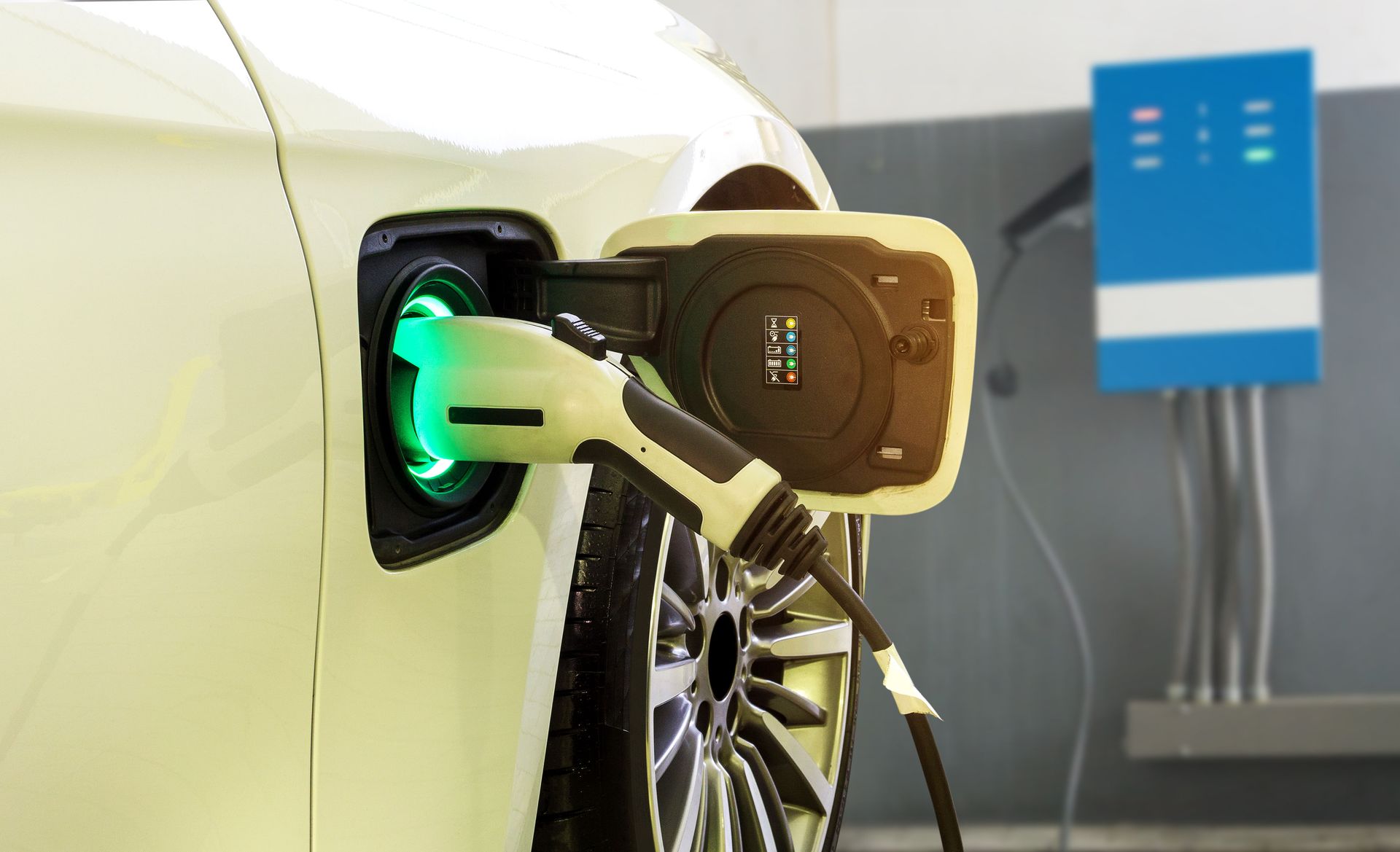
As electric vehicles surge in popularity, the infrastructure supporting them evolves alongside. The home EV charger installation has become a critical consideration for current owners wishing to maximize daily convenience. Understanding the myriad expenses associated with such upgrades is vital for drivers looking to invest wisely while adequately preparing for future lifestyle demands.
The demand for cleaner transportation is driven by environmental concerns and potential savings on fuel. Transitioning to modern electric driving means deeply understanding the real investment needed beyond the vehicle itself. A proper EV charger installation forms a significant part of this journey, necessitating a deep dive into initial and long-term financial commitments.
Evaluating Charger Types and Speeds
Chargers are classified into different categories, each varying in power and daily application. Basic residential options that use a standard household plug offer a rather slow replenishment rate, perfectly suited for low mileage. Faster options serve as a practical balance between speed and cost-efficiency, ensuring drivers are fully prepared each morning.
Selecting proper equipment is an essential step. According to HomeGuide, Level 2 units are common in residential and public settings, generally needing a dedicated circuit comparable to an electric clothes dryer, while increasing driving range by 15 to 35 miles for every charging hour. This capability maximizes the utility of owning an electric vehicle.
Very fast commercial alternatives are typically utilized in public stations due to their immense voltage requirements. Choosing the right residential setup depends largely on the user’s specific driving habits and the current limitations of their electrical system. Making the correct choice prevents frustrating delays and ensures smooth daily commutes.
The charging speed directly impacts the usability and overall convenience of an electric vehicle. Faster speeds are often desirable, allowing for quicker turnaround times and flexible travel planning. While faster devices generally require a higher initial investment, they result in a more satisfying ownership experience for modern, fast-paced lifestyles.
Assessing Initial Setup Expenses
The upfront price of the unit can vary widely depending on the chosen brand, available features, and energy capacity. Entry-level choices start at a relatively low price point, while premium units with advanced smart features demand a larger initial outlay. Selecting a unit involves balancing expenses against desired connectivity features.
Investing in a reliable product from a reputable manufacturer is highly recommended. Although upfront costs might seem daunting during an EV charger installation, the long-term benefits and operational reliability justify the premium price tag. Consumers should also consider comprehensive warranty terms, as these guarantee support over the product lifecycle.
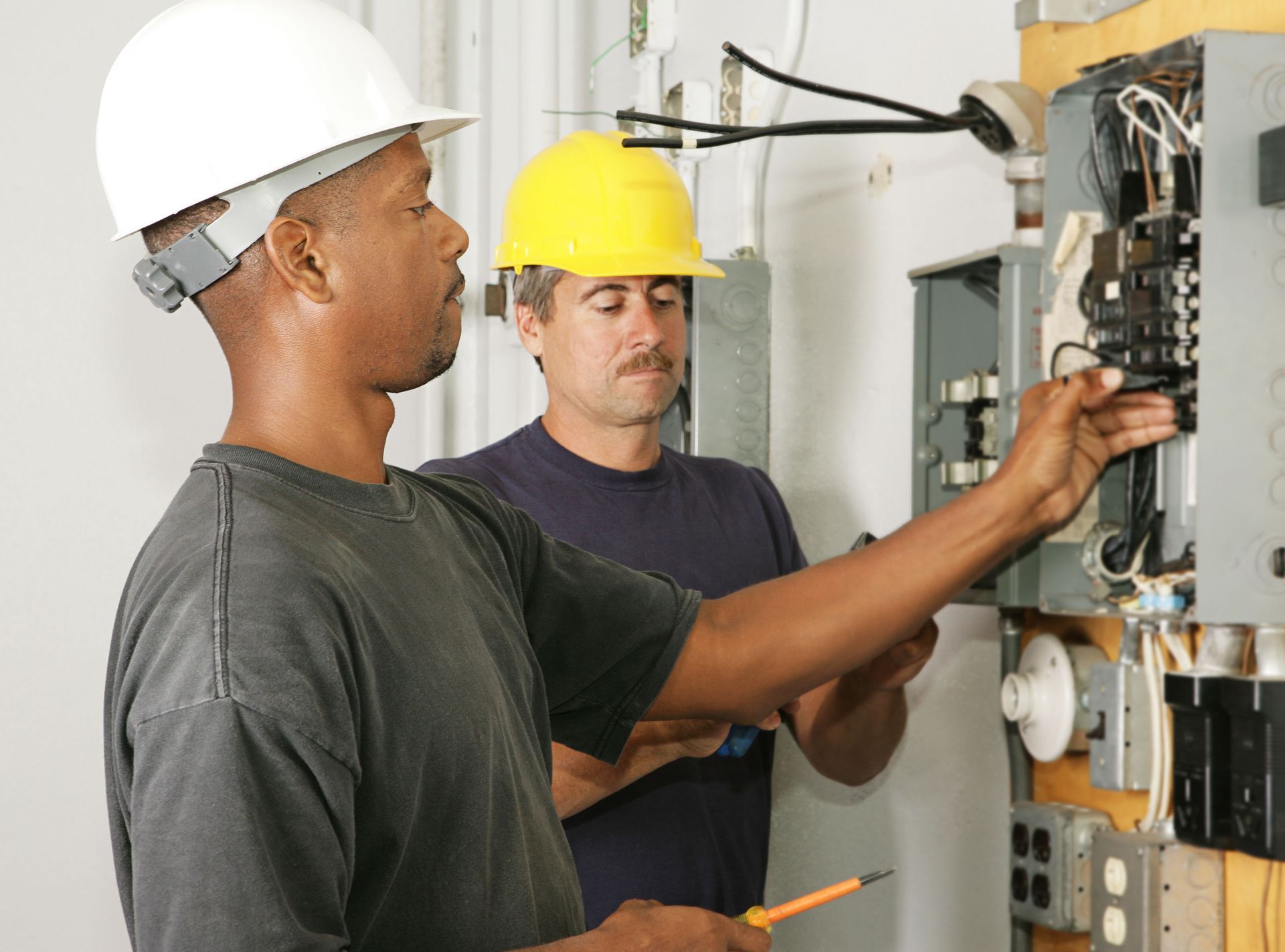
Before mounting any new equipment, an evaluation of the existing electrical panel is necessary to ensure safety. Licensed professionals perform these comprehensive assessments to determine if the system can accommodate the added power load. This crucial preliminary evaluation identifies if panel replacements are necessary, directly influencing the final project total.
Professional labor and permitting fees constitute a significant portion of the total EV charger installation cost. Certified electricians must run new wiring and ensure grounding standards are strictly followed. Obtaining necessary local permits and passing municipal inspections ensures code compliance, avoiding legal complications and providing complete peace of mind.
Navigating Maintenance and Operational Expenses
Regular maintenance is absolutely necessary to ensure the optimal operation and longevity of your home charging equipment. Routine visual checks and professional servicing help identify minor wear before issues become severe. A proactive schedule involves inspecting the outer cables and main connectors for physical damage while confirming safety systems remain functional.
Keeping electrical contacts clean prevents overheating and maintains efficient energy transfer during daily use. Most manufacturers recommend periodic inspections by qualified personnel to maintain performance standards and keep warranty agreements valid. Taking preventative measures helps owners avoid costlier repairs while extending the operational lifespan of the entire hardware setup.
Energy consumption costs form a critical component of the ongoing operational expenses following an EV charger installation. The added electricity usage can noticeably impact monthly utility bills, particularly with frequent overnight replenishment. Managing energy demands by scheduling charging sessions during off-peak times can significantly mitigate these financial impacts.
Utilizing smart software updates is an integral part of maintaining a modern network over time. Manufacturers frequently release wireless updates to address software glitches, improve general performance, and introduce new automation features. Staying current with these enhancements maximizes security and ensures compatibility with newer vehicle models on the market.
Exploring Available Financial Incentives
Federal tax credits serve as an incredibly strong incentive for homeowners considering a comprehensive EV charger installation. These lucrative programs aim to reduce the immediate financial burden of purchasing modern green technology. Homeowners are encouraged to consult official government guidelines to fully grasp current credit availability and eligibility requirements.
State and local governments frequently offer appealing rebates to encourage the widespread adoption of clean energy infrastructure. These valuable initiatives aim to promote sustainable energy use and drastically decrease local greenhouse gas emissions. Funding can comfortably cover a substantial portion of the hardware purchase, making the transition financially accessible for families.
Navigating the application process early ensures access to these local benefits, which are frequently prioritized based on application timing. Keeping abreast of rapid changes in environmental policy is vital to capitalize on potential cost reductions. Proper record-keeping guarantees that submitted paperwork meets the regulatory standards required by regional grant providers.
Many regional utility companies also deliver unique rate plans and distinct rebates designed to reward the use of residential equipment. These programs often incentivize energy consumption during quiet overnight hours, helping to balance overall grid demand. Engaging directly with utility providers reveals specialized options that optimize system costs efficiently.
Preparing Your Electrical Infrastructure
Specialized setups sometimes incur unforeseen fees beyond the basic quotes provided by standard contractors. These unexpected expenses often relate to unique structural hurdles or hidden electrical challenges that necessitate extensive preliminary work. Factors such as complex trenching through mature landscaping can elevate the final bill for any residential electrical modification.
Older properties regularly demand comprehensive upgrades to safely support the heavy load introduced by an EV charger installation. Modernizing panel capacity, reinforcing outdated infrastructure, or establishing superior grounding paths adds noticeable complexity to the task. Custom engineering solutions tailored to the property’s architectural characteristics heavily influence the financial investment.
While structural modifications demand a larger initial investment, they are fundamentally necessary for safe and efficient daily operation. Homeowners should consult experienced specialists who can provide accurate assessments and detailed estimates tailored to unique property scenarios. Addressing demanding prerequisites proactively ensures a completely smooth process and optimal long-term performance.
Investing in robust infrastructure involves anticipating upcoming technological advancements within the automotive industry. Considering forward-thinking capabilities helps maximize the return on investment, allowing the system to easily accommodate next-generation electric vehicles. Securing an easy upgrade path prevents premature obsolescence and ensures the residence remains fully prepared for upcoming transportation trends.
Transitioning to an electric vehicle requires careful planning and a thorough understanding of the associated infrastructure expenses. By examining the various elements that contribute to the total cost, homeowners can make better-informed decisions that align with their household budgets. Proper foresight prevents unexpected financial hurdles from complicating the overall transition.
As the automotive landscape continues to evolve, investing in reliable residential charging capabilities remains a remarkably smart choice for modern drivers. Evaluating everything from hardware selection to potential utility rebates guarantees a seamless and efficient user experience. If you are ready to start planning your perfect home setup, contact us at United Electric so we can power your journey forward together.