
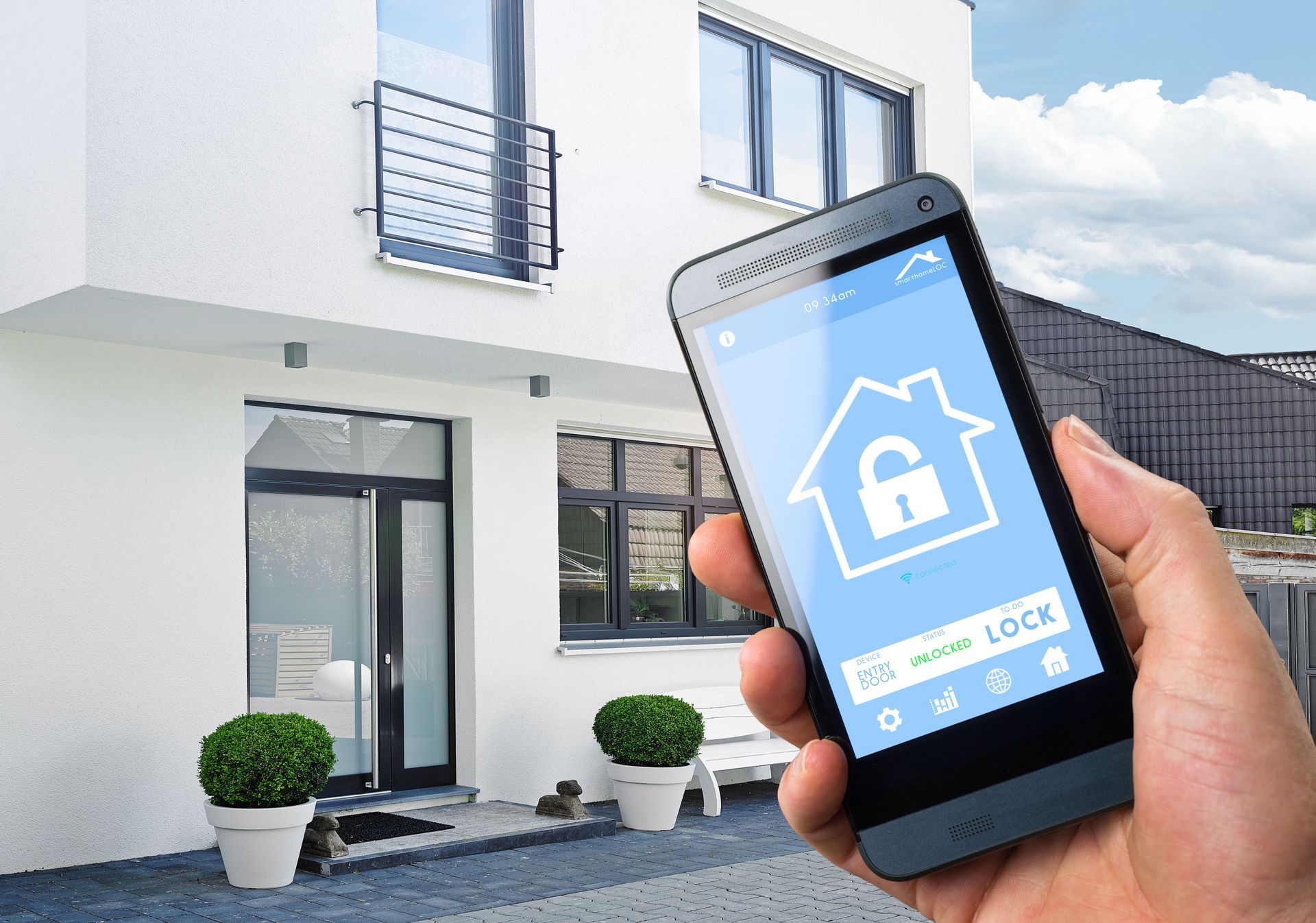

The Importance of Hiring an Electrician for Your Smart Home Installation
March 19, 2026

March 19, 2026

Smart homes have quickly moved from futuristic ideas to everyday reality. Lighting that responds to your voice, thermostats that adjust automatically, security systems you can monitor from your phone, and appliances that communicate with each other are now part of modern living. These innovations make life more convenient, comfortable, and efficient.


But behind every seamless smart feature is a complex network of wiring, devices, and electrical connections. While the technology itself may look simple on the surface, the infrastructure that supports it requires thoughtful planning and careful installation. That’s why many homeowners turn to professionals when upgrading their homes with smart technology.


According to The Spruce, almost 50% of homeowners now have one smart-enabled feature within their living space. As adoption grows, so does the need for proper installation that supports safety, reliability, and long-term performance. Working with an electrician who understands modern technology and electrical systems can make the entire process smoother and far more effective.

Below are several reasons why hiring a professional electrician plays an important role when bringing smart technology into your home.


Ensuring Safe Electrical Integration

Safety is always a priority when electrical systems are involved. Smart devices often connect to existing wiring, circuit panels, outlets, and switches. While these systems are designed to make life easier, they still rely on a home’s electrical infrastructure to function properly.


An experienced electrician understands how to integrate smart technology into your home without placing unnecessary strain on circuits or creating potential hazards. They can evaluate the current electrical setup and determine whether upgrades or adjustments are necessary before installation begins.


This type of careful planning ensures that new devices operate smoothly within the home’s electrical system. When homeowners invest in home automations, they are not simply adding gadgets; they are creating an interconnected environment that relies on stable electrical support.


With professional oversight, smart features can function as intended while maintaining the safety standards every home should have.


Supporting Reliable Device Performance

Smart technology works best when every component communicates clearly with the rest of the system. Lighting controls, smart thermostats, cameras, and connected appliances must all interact with each other through stable electrical connections and reliable configuration.


If installation is rushed or poorly planned, homeowners may experience interruptions, connectivity problems, or devices that fail to respond properly. These frustrations can take away from the convenience that smart technology is meant to provide.


Electricians who specialize in modern electrical systems understand how to create a solid foundation for smart devices. Through careful setup and attention to detail, they ensure that devices remain powered consistently and connected correctly.


When homeowners choose professional home automations, they gain access to technical knowledge that helps devices work together smoothly, allowing the entire system to perform as intended day after day.


Planning a System That Fits the Home

Every home is different. Floor plans vary, electrical layouts differ, and homeowners have unique preferences when it comes to how technology should function in their space. Because of this, installing smart technology isn’t simply about placing devices in random locations.


A professional electrician can help evaluate how each part of the home is used and recommend a setup that complements daily routines. Lighting may be arranged to create a comfortable atmosphere in living areas, while security systems can be positioned to provide better visibility around entry points.


This thoughtful planning creates a system that feels natural within the home rather than forced or inconvenient. When working with home automations, homeowners can create an environment where technology quietly supports daily life without requiring constant adjustments.


Instead of a collection of disconnected devices, the result becomes a coordinated system designed around the home itself.


Protecting the Home’s Electrical Infrastructure

Smart technology often adds new devices to an electrical system that may already be supporting lighting, appliances, heating systems, and entertainment equipment. Without careful planning, this additional demand can affect how efficiently the system operates.


Electricians understand how to evaluate electrical capacity and determine whether updates are needed before installing new equipment. They may recommend adjustments that allow smart devices to operate without placing unnecessary pressure on existing circuits.


By approaching installation this way, homeowners protect the long-term stability of their electrical system. Devices function smoothly, and the home continues operating without disruptions.


Professional home automations often include these evaluations as part of the installation process, ensuring that new technology integrates into the home’s infrastructure responsibly.


Creating a More Seamless Living Experience

One of the main reasons people choose smart technology is convenience. Lights that respond instantly, climate controls that adjust automatically, and security features that can be monitored remotely all contribute to a smoother daily routine.


However, the true value of smart technology appears when these systems work together seamlessly. A coordinated setup allows devices to respond to each other and adapt to the homeowner’s habits over time.


Electricians who understand connected technology can help design systems that support this level of integration. They can configure lighting controls, switches, and power sources so that devices interact naturally within the home environment.


Through professional home automations, the home becomes more than a collection of smart products. It becomes an organized network designed to enhance comfort and simplify everyday living.


Preparing the Home for Future Technology

Smart technology continues to evolve. New devices, features, and improvements appear regularly, offering homeowners even more ways to enhance their living spaces.


When installing current systems, electricians often consider how future upgrades may fit into the home’s existing setup. This forward-thinking approach can make it easier to expand the system later without requiring major electrical adjustments.


Preparing for future innovation allows homeowners to adapt their technology as their needs change. Lighting systems may expand, security features may grow more advanced, and new devices may become part of everyday life.


Homeowners who invest in home automations often benefit from this type of planning, ensuring that their home remains ready for technological improvements that may arrive in the years ahead.


Simplifying Maintenance and System Updates

Smart technology requires occasional updates, adjustments, and maintenance to keep everything operating smoothly. Devices may receive software updates, new features may be added, or equipment may need replacement over time.


Having a professionally installed system makes these updates easier to manage. Because the original setup was organized and carefully integrated, future maintenance can be handled more efficiently.


Electricians familiar with the system’s layout can quickly identify where adjustments are needed and make sure everything continues working together. This type of support helps homeowners maintain a reliable smart home environment without unnecessary complications.


With professional home automations, homeowners gain not only installation expertise but also a foundation that supports long-term functionality and convenience.


Smart homes offer remarkable possibilities. Lighting can respond to daily routines, temperature can adjust automatically, and security systems can provide peace of mind whether you are home or away. These technologies bring comfort and efficiency into modern living spaces in ways that were once difficult to imagine.


However, achieving that seamless experience requires more than simply choosing the right devices. Proper installation, careful planning, and a strong understanding of electrical systems all play an important role in making smart technology work the way it should.


By working with a qualified electrician, homeowners gain the knowledge and experience needed to integrate new technology safely and effectively. From evaluating electrical infrastructure to designing a system that fits the home, professional guidance helps ensure that every component functions smoothly.


As smart technology continues to become part of everyday life, thoughtful installation becomes even more valuable. A well-designed system not only improves convenience today but also prepares the home for future innovation and continued comfort.


If you’re planning to upgrade your living space with home automations, contact United Electric to learn how professional installation can support a smarter and more connected home.

By 7016529879 September 4, 2026
As we head into 2027, homeowners are relying on electricity more than ever. From air conditioning and appliances to home offices, entertainment systems, electric vehicles, security systems, and smart-home technology, the demands we place on our electrical systems continue to grow. For Florida homeowners, there is another major consideration: severe weather. Hurricane season and frequent thunderstorms make reliable power and electrical protection especially important throughout Southwest Florida. Whether you own a newer home or are updating an older property, here are 10 electrical upgrades worth considering in 2027 . 1. Whole-Home Surge Protection You may already have surge-protecting power strips connected to your computers and televisions, but those devices only protect what is plugged directly into them. A whole-home surge protector is installed at the electrical panel and helps protect the entire electrical system, including major appliances, HVAC equipment, electronics, outlets, and other connected devices. Power surges don't only come from lightning. They can also originate inside the home when larger appliances and equipment cycle on and off. For Florida homes, where thunderstorms and severe weather are part of life, whole-home surge protection can be a particularly worthwhile electrical upgrade. 2. Upgrade an Older Electrical Panel The electrical panel is the heart of your home's electrical system. As you add more electrical equipment, your panel needs enough capacity to safely handle that demand. Older homes may have limited panel capacity or simply run out of available breaker spaces. Newer electrical loads such as an EV charger, additional appliances, pool equipment, or other major electrical systems may make an electrical panel evaluation necessary. A licensed electrician can perform a load calculation and determine whether your existing panel is adequate or whether an upgrade makes sense. 3. Install a Level 2 EV Charger If you own an electric vehicle—or expect to buy one in the next few years—installing a Level 2 home EV charger can make charging much more convenient. Level 1 charging uses a standard 120-volt outlet, while Level 2 charging typically uses a 240-volt circuit and can provide substantially faster charging. Before installing a charger, an electrician should evaluate your panel, existing electrical loads, wiring, and available capacity. Even if you don't own an EV yet, adding the appropriate electrical infrastructure during a remodel or panel upgrade can help make your home EV-ready for the future . 4. Add a Standby Generator For Southwest Florida homeowners, a standby generator can be one of the most valuable upgrades you make to your home. When utility power goes out, a permanently installed standby generator can automatically supply backup electricity to selected circuits—or potentially much of the home, depending on the generator and system design. That can help keep critical systems operating, including refrigeration, lighting, internet equipment, certain medical equipment, and air conditioning when the system is properly designed for those loads. Proper sizing and professional installation are essential. The generator, electrical service, transfer equipment, fuel supply, and expected household loads all need to work together as one system. 5. Consider Smart Electrical Panels and Energy Management The electrical panel itself is becoming smarter. Modern energy-management systems can help homeowners understand where electricity is being used and, in some cases, control how available electrical capacity is distributed throughout the home. For example, a smart energy-management system may temporarily reduce EV charging when several higher-priority electrical loads are operating. For homeowners adding EV chargers, generators, battery systems, or other major electrical equipment, intelligent energy management is becoming an increasingly useful option. 6. Upgrade Your Smart-Home Lighting and Controls Smart-home technology has moved far beyond controlling a few lights from your phone. Today's integrated systems can bring together lighting, motorized shades, audio and video, climate controls, security, networking, entertainment systems, and energy management. Lighting control can be particularly effective. Automated scenes can adjust several lights at once for entertaining, watching television, arriving home, or going to bed. Systems from manufacturers such as Lutron, Control4, Ketra, and Sonos can also be integrated to create a more seamless smart-home experience. United Electric's Smart Home Innovations team can help homeowners determine which technologies make sense for their lifestyle rather than simply adding disconnected smart devices throughout the house. 7. Update GFCI and Other Electrical Safety Protection Some electrical improvements aren't particularly glamorous—but they can be among the most important. Older homes should be evaluated for appropriate GFCI protection , particularly in areas where electricity and water may come into contact. You should also pay attention to warning signs such as frequently tripping breakers, warm or discolored outlets, buzzing switches or receptacles, flickering lights, loose outlets, damaged wiring, or extension cords being used as permanent wiring. Electrical requirements have changed significantly over time, so an older home's electrical system may benefit from a professional evaluation even if everything appears to be working. 8. Add Outlets and Dedicated Circuits Think about how many electrical devices your household uses compared with 10 or 20 years ago. Home offices, televisions, computers, kitchen appliances, charging stations, exercise equipment, outdoor kitchens, workshops, and entertainment systems all require power. If you're constantly relying on power strips or extension cords, consider having additional receptacles professionally installed. Some appliances and equipment also require their own dedicated circuits . Adding the appropriate circuits can provide a cleaner, safer, and more convenient electrical setup. If you're renovating, this is also a good time to think ahead and make sure your electrical system can support future appliances and technology. 9. Upgrade Your Outdoor Electrical System In Florida, outdoor living is an extension of the home. Pools, lanais, outdoor kitchens, landscape lighting, docks, boat lifts, security lighting, televisions, sound systems, and other outdoor features can all create additional electrical needs. Consider upgrades such as landscape and architectural lighting, outdoor receptacles, pool and spa circuits, dock and boat-lift power, outdoor kitchen circuits, security and camera wiring, and outdoor entertainment systems. Because moisture and electricity can be a dangerous combination, proper wiring methods, grounding, weather-resistant equipment, and appropriate electrical protection are particularly important outdoors. 10. Schedule a Home Electrical Safety Inspection Sometimes the best electrical upgrade begins by finding out what your home actually needs. A professional electrical inspection can help identify aging equipment, overloaded circuits, panel concerns, improper wiring, electrical safety issues, and areas where the system may no longer meet the demands of the household. This is particularly worth considering if you're purchasing an older home, planning a renovation, adding major electrical equipment, or experiencing recurring electrical problems. An inspection can also help you prioritize improvements rather than replacing equipment unnecessarily. Is Your Home Ready for 2027 and Beyond? The best electrical upgrades aren't simply about adding the newest technology. They're about making your home safer, more reliable, more convenient, and better prepared for the future . For Southwest Florida homeowners, that may mean protecting electronics from power surges, preparing for hurricane-related outages, installing an EV charger, modernizing an older electrical panel, improving outdoor electrical systems, or integrating smart-home technology. United Electric has been serving Southwest Florida homeowners for decades, providing professional residential electrical, generator, EV charging, surge protection, and smart-home solutions. If you're considering an electrical upgrade for 2027, our team can evaluate your existing system and help you determine which improvements make the most sense for your home. Ready to upgrade your home's electrical system? Contact United Electric today to schedule an appointment.
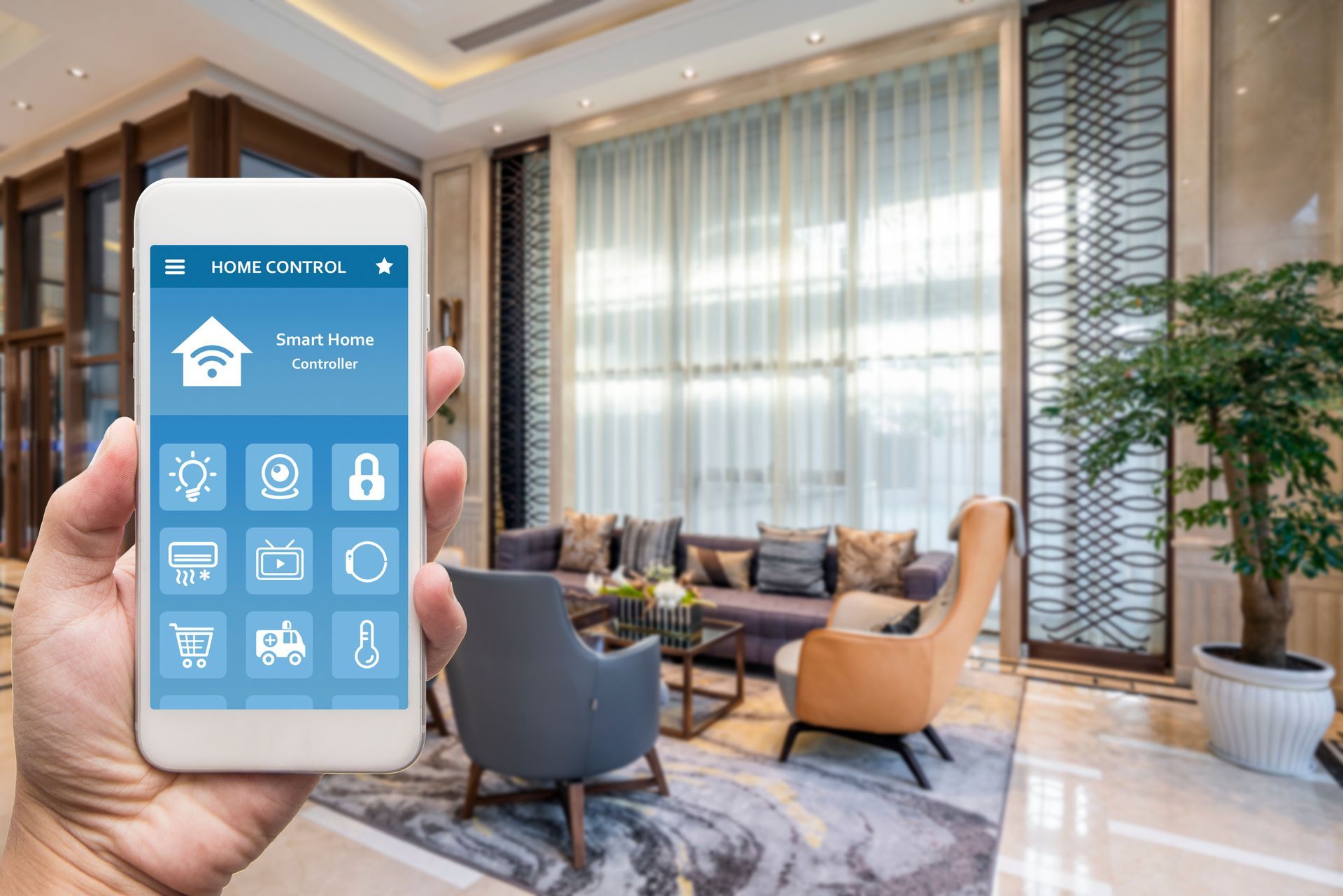
home automation
July 28, 2026
Explore how home automation uses AI to learn your routines, improve convenience, boost energy efficiency, and create a smarter, more personalized home.
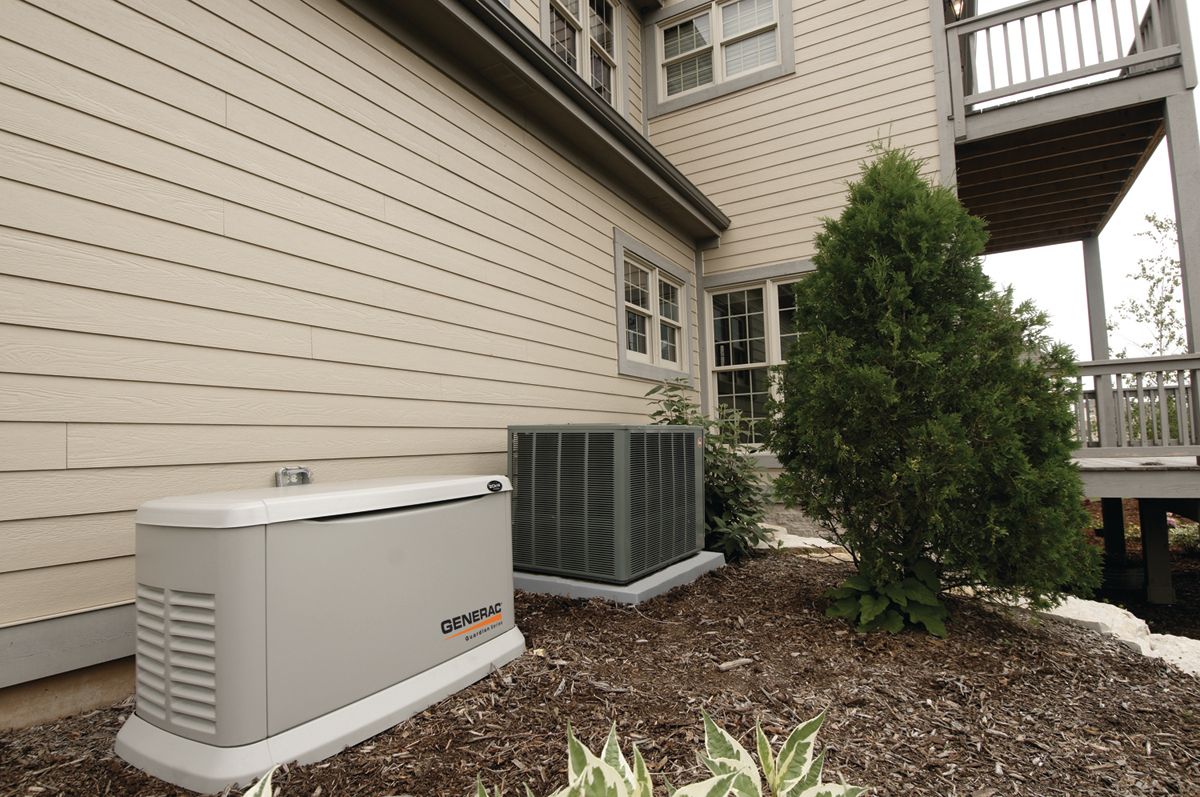
generator installation
February 26, 2026
When you need help with generator installation, United Electric is here to help. Our certified technicians will help you get what you need every time.
Show More →