
Holiday Fire Safety Starts With Your Home’s Electrical System

As we head into 2027, homeowners are relying on electricity more than ever. From air conditioning and appliances to home offices, entertainment systems, electric vehicles, security systems, and smart-home technology, the demands we place on our electrical systems continue to grow. For Florida homeowners, there is another major consideration: severe weather. Hurricane season and frequent thunderstorms make reliable power and electrical protection especially important throughout Southwest Florida. Whether you own a newer home or are updating an older property, here are 10 electrical upgrades worth considering in 2027 . 1. Whole-Home Surge Protection You may already have surge-protecting power strips connected to your computers and televisions, but those devices only protect what is plugged directly into them. A whole-home surge protector is installed at the electrical panel and helps protect the entire electrical system, including major appliances, HVAC equipment, electronics, outlets, and other connected devices. Power surges don't only come from lightning. They can also originate inside the home when larger appliances and equipment cycle on and off. For Florida homes, where thunderstorms and severe weather are part of life, whole-home surge protection can be a particularly worthwhile electrical upgrade. 2. Upgrade an Older Electrical Panel The electrical panel is the heart of your home's electrical system. As you add more electrical equipment, your panel needs enough capacity to safely handle that demand. Older homes may have limited panel capacity or simply run out of available breaker spaces. Newer electrical loads such as an EV charger, additional appliances, pool equipment, or other major electrical systems may make an electrical panel evaluation necessary. A licensed electrician can perform a load calculation and determine whether your existing panel is adequate or whether an upgrade makes sense. 3. Install a Level 2 EV Charger If you own an electric vehicle—or expect to buy one in the next few years—installing a Level 2 home EV charger can make charging much more convenient. Level 1 charging uses a standard 120-volt outlet, while Level 2 charging typically uses a 240-volt circuit and can provide substantially faster charging. Before installing a charger, an electrician should evaluate your panel, existing electrical loads, wiring, and available capacity. Even if you don't own an EV yet, adding the appropriate electrical infrastructure during a remodel or panel upgrade can help make your home EV-ready for the future . 4. Add a Standby Generator For Southwest Florida homeowners, a standby generator can be one of the most valuable upgrades you make to your home. When utility power goes out, a permanently installed standby generator can automatically supply backup electricity to selected circuits—or potentially much of the home, depending on the generator and system design. That can help keep critical systems operating, including refrigeration, lighting, internet equipment, certain medical equipment, and air conditioning when the system is properly designed for those loads. Proper sizing and professional installation are essential. The generator, electrical service, transfer equipment, fuel supply, and expected household loads all need to work together as one system. 5. Consider Smart Electrical Panels and Energy Management The electrical panel itself is becoming smarter. Modern energy-management systems can help homeowners understand where electricity is being used and, in some cases, control how available electrical capacity is distributed throughout the home. For example, a smart energy-management system may temporarily reduce EV charging when several higher-priority electrical loads are operating. For homeowners adding EV chargers, generators, battery systems, or other major electrical equipment, intelligent energy management is becoming an increasingly useful option. 6. Upgrade Your Smart-Home Lighting and Controls Smart-home technology has moved far beyond controlling a few lights from your phone. Today's integrated systems can bring together lighting, motorized shades, audio and video, climate controls, security, networking, entertainment systems, and energy management. Lighting control can be particularly effective. Automated scenes can adjust several lights at once for entertaining, watching television, arriving home, or going to bed. Systems from manufacturers such as Lutron, Control4, Ketra, and Sonos can also be integrated to create a more seamless smart-home experience. United Electric's Smart Home Innovations team can help homeowners determine which technologies make sense for their lifestyle rather than simply adding disconnected smart devices throughout the house. 7. Update GFCI and Other Electrical Safety Protection Some electrical improvements aren't particularly glamorous—but they can be among the most important. Older homes should be evaluated for appropriate GFCI protection , particularly in areas where electricity and water may come into contact. You should also pay attention to warning signs such as frequently tripping breakers, warm or discolored outlets, buzzing switches or receptacles, flickering lights, loose outlets, damaged wiring, or extension cords being used as permanent wiring. Electrical requirements have changed significantly over time, so an older home's electrical system may benefit from a professional evaluation even if everything appears to be working. 8. Add Outlets and Dedicated Circuits Think about how many electrical devices your household uses compared with 10 or 20 years ago. Home offices, televisions, computers, kitchen appliances, charging stations, exercise equipment, outdoor kitchens, workshops, and entertainment systems all require power. If you're constantly relying on power strips or extension cords, consider having additional receptacles professionally installed. Some appliances and equipment also require their own dedicated circuits . Adding the appropriate circuits can provide a cleaner, safer, and more convenient electrical setup. If you're renovating, this is also a good time to think ahead and make sure your electrical system can support future appliances and technology. 9. Upgrade Your Outdoor Electrical System In Florida, outdoor living is an extension of the home. Pools, lanais, outdoor kitchens, landscape lighting, docks, boat lifts, security lighting, televisions, sound systems, and other outdoor features can all create additional electrical needs. Consider upgrades such as landscape and architectural lighting, outdoor receptacles, pool and spa circuits, dock and boat-lift power, outdoor kitchen circuits, security and camera wiring, and outdoor entertainment systems. Because moisture and electricity can be a dangerous combination, proper wiring methods, grounding, weather-resistant equipment, and appropriate electrical protection are particularly important outdoors. 10. Schedule a Home Electrical Safety Inspection Sometimes the best electrical upgrade begins by finding out what your home actually needs. A professional electrical inspection can help identify aging equipment, overloaded circuits, panel concerns, improper wiring, electrical safety issues, and areas where the system may no longer meet the demands of the household. This is particularly worth considering if you're purchasing an older home, planning a renovation, adding major electrical equipment, or experiencing recurring electrical problems. An inspection can also help you prioritize improvements rather than replacing equipment unnecessarily. Is Your Home Ready for 2027 and Beyond? The best electrical upgrades aren't simply about adding the newest technology. They're about making your home safer, more reliable, more convenient, and better prepared for the future . For Southwest Florida homeowners, that may mean protecting electronics from power surges, preparing for hurricane-related outages, installing an EV charger, modernizing an older electrical panel, improving outdoor electrical systems, or integrating smart-home technology. United Electric has been serving Southwest Florida homeowners for decades, providing professional residential electrical, generator, EV charging, surge protection, and smart-home solutions. If you're considering an electrical upgrade for 2027, our team can evaluate your existing system and help you determine which improvements make the most sense for your home. Ready to upgrade your home's electrical system? Contact United Electric today to schedule an appointment.
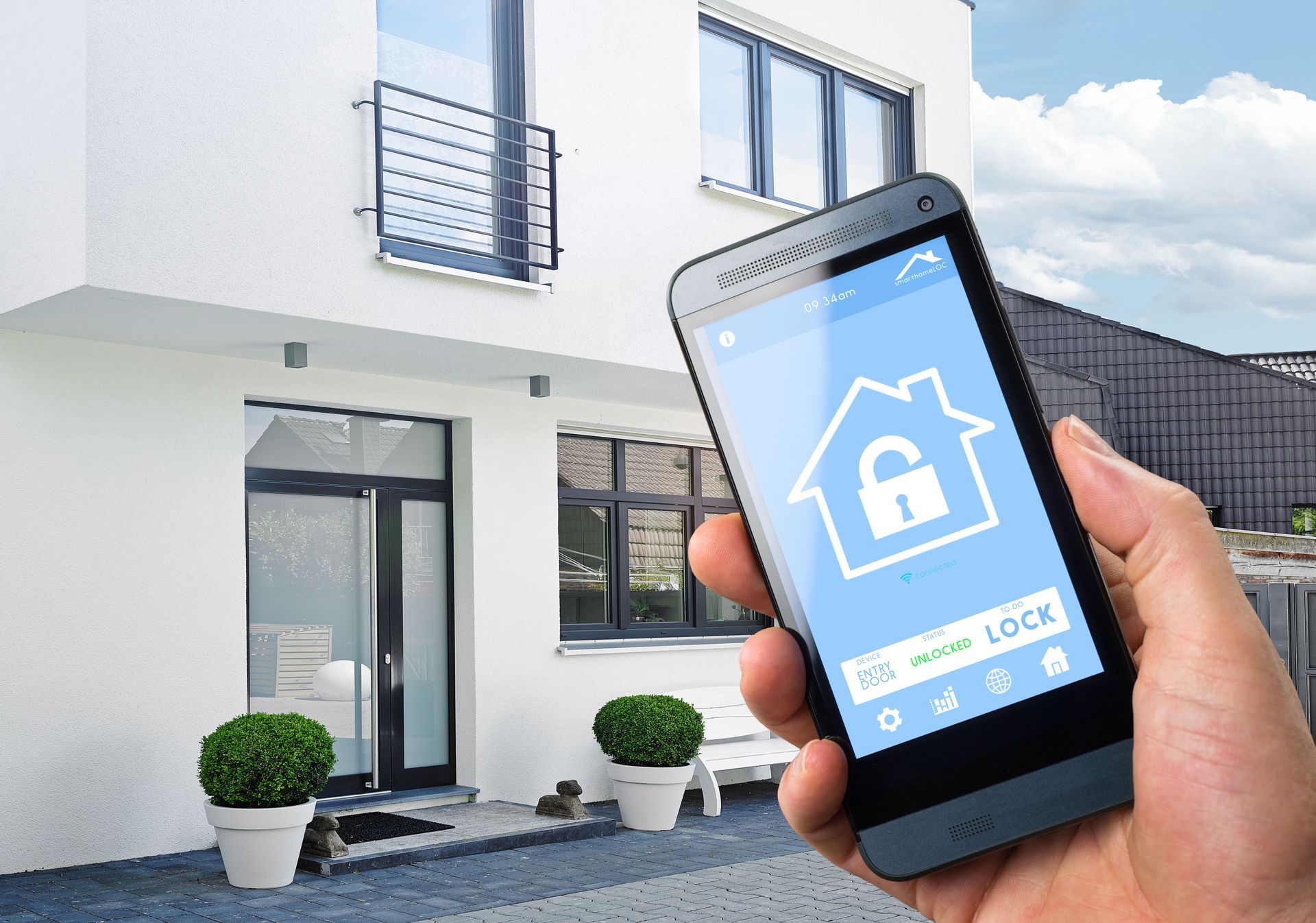
Read on and discover how professional electricians ensure safe, reliable home automations, improving performance, efficiency, and long-term smart home success.